A great workplace is about more than stylish furniture, fast WiFi and quality coffee. Employees also need to feel safe. Not only physically, but mentally as well. A safe working environment helps people enjoy their work, collaborate more effectively and perform at their best.
Unfortunately, workplace safety often only becomes a priority after something goes wrong. Think of a workplace accident, an unsafe situation or long-term absence caused by stress. In reality, many of these risks can be prevented with the right measures.
In this blog, you'll discover what workplace safety really means, what employers are legally required to do and which practical steps help create a healthy, safe and productive office environment.
What does workplace safety mean?
Workplace safety means that employees can carry out their work without unnecessary risks to their health or wellbeing. It covers both physical safety and psychological safety.
Physical safety focuses on preventing accidents and injuries. This includes well-maintained workspaces, safe walkways, ergonomic furniture and proper lighting.
Mental safety is just as important. Employees should feel comfortable asking questions, sharing ideas and admitting mistakes without fear of criticism. Workload also plays an important role. Long-term stress or inappropriate behaviour can eventually lead to burnout and absenteeism.
Many people associate occupational safety with construction sites or factories. However, office environments also involve risks. Poor posture, prolonged screen time and an unhealthy indoor climate can all cause long-term health issues.
That is why workplace safety is about much more than preventing accidents. It is about creating an environment where employees can work comfortably, confidently and in good health.
What does health and safety legislation require?
In the Netherlands, the Working Conditions Act (Arbowet) forms the foundation of workplace health and safety. Under this legislation, every employer has a duty of care. Employers are legally required to provide a safe and healthy working environment for their employees.
One of the key requirements is carrying out a Risk Inventory and Evaluation (RI&E) . This assessment identifies all workplace risks within an organisation, including both physical risks and psychosocial risks such as stress, bullying or excessive workload.
Every RI&E must be accompanied by an Action Plan . This document outlines which improvements will be implemented, who is responsible for them and when they will be completed.
Employers are also required to organise Emergency Response (BHV) within the company. The size of the emergency response organisation depends on the company's size and the risks identified.
In many organisations, a Prevention Officer supports the implementation of workplace safety measures. This person assists with the RI&E, advises management and helps continuously improve working conditions.
By regularly reviewing risks and updating safety measures, organisations remain compliant with legislation while significantly reducing the likelihood of workplace incidents.

Practical measures for a safer office environment
Creating a safe workplace does not require one major investment. Small improvements often have the biggest long-term impact.
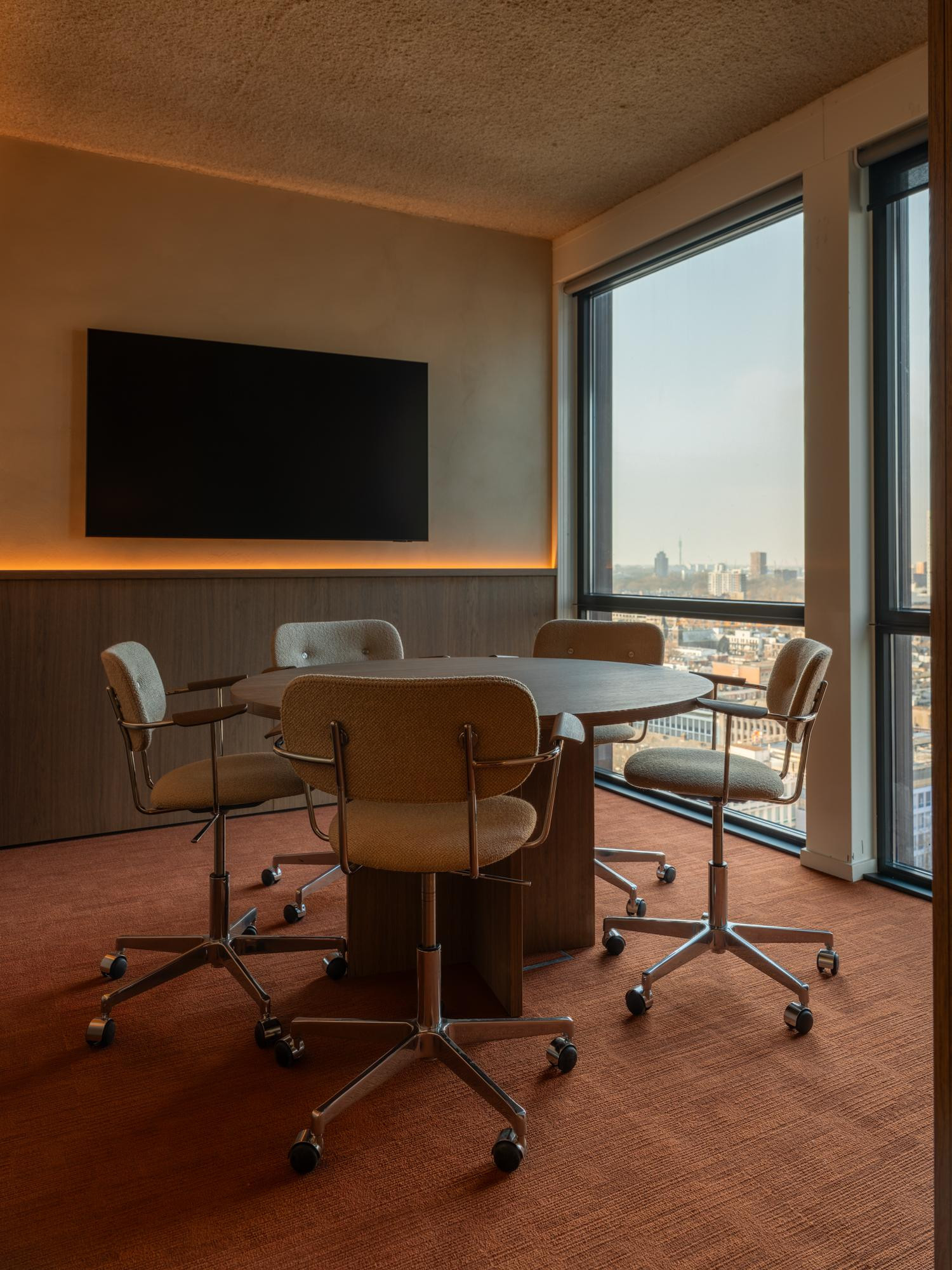
An ergonomic workstation is the foundation. Adjustable desks and office chairs help employees maintain a healthy posture throughout the day. Computer screens should also be positioned correctly to prevent neck and shoulder complaints.
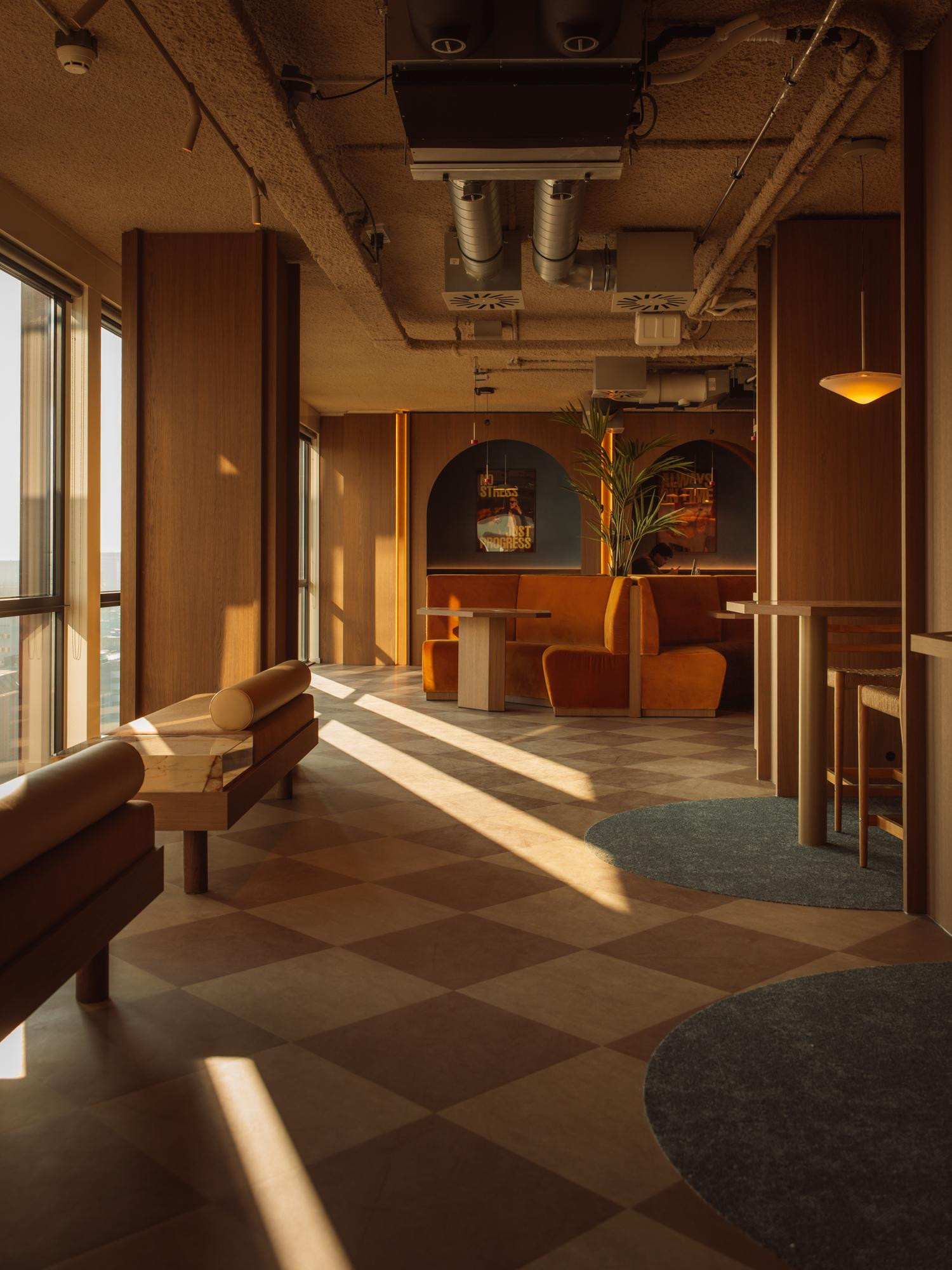
Indoor climate deserves equal attention. Fresh air, proper ventilation and a comfortable temperature contribute to employee wellbeing while improving concentration and productivity. Natural daylight has a similar effect, helping people stay alert and reducing fatigue.
Walkways should always remain clear. Loose cables, slippery floors and poorly lit corridors increase the risk of accidents. Regular maintenance helps prevent many of these issues before they become problems.
Emergency facilities should also be checked regularly. Emergency exits must remain clearly marked and accessible at all times, while fire extinguishers and first-aid equipment should be inspected periodically.
Workplace safety also includes psychosocial wellbeing. Open communication, realistic workloads and a supportive company culture help reduce stress and prevent long-term absenteeism. Employees who feel safe are more likely to speak up when they notice risks or concerns.
In other words, working safely means much more than simply complying with legal requirements. It is about creating an environment where people can perform at their best every day.
Why office design affects both safety and productivity
When people think about workplace safety, they often focus on regulations, emergency exits or fire extinguishers. In reality, safety begins with the design of the workplace itself.
A well-designed office reduces the risk of accidents while supporting employee wellbeing. Wide walkways prevent collisions, ergonomic furniture promotes healthy posture and natural daylight helps people stay focused throughout the day.
Acoustics also play an important role. Constant background noise or poor sound absorption can reduce concentration and increase stress levels. Combining quiet workspaces with collaborative meeting areas creates a healthier balance between focused work and teamwork.
For this reason, more organisations are choosing office environments designed around employee wellbeing. A thoughtfully designed workplace not only looks professional but also supports health, safety and productivity.
At Officina, we see every day how the work environment influences the way people work. Spacious offices, plenty of natural daylight, ergonomic workstations and modern facilities help businesses create an environment where employees feel comfortable, safe and motivated. An office becomes more than just a place to work; it becomes a place where people and businesses can grow.
A safe workplace starts with the right working environment
Creating a safe workplace is about more than meeting legal requirements. The greatest improvements often come from everyday habits.
Regularly review your Risk Inventory and Evaluation (RI&E) to ensure it remains up to date. Discuss workplace safety during team meetings and encourage employees to report unsafe situations. This helps create a culture where safety becomes everyone's responsibility.
Investing in ergonomic workstations, natural daylight, good ventilation and a well-planned office layout also pays off. Employees feel healthier, become more productive and are less likely to take sick leave. A safe working environment therefore benefits both employee wellbeing and business continuity.
For growing organisations looking for a new office, workplace safety should be an important consideration. A modern office environment supports employees in their daily work while helping organisations comply with health and safety legislation.
Ultimately, workplace safety is not a one-time checklist but an ongoing process. By paying attention to both physical and psychological safety, you create an environment where employees can work confidently, comfortably and at their best.
Looking for an office where wellbeing, comfort and workplace safety come together? Discover the possibilities at Officina and experience how a thoughtfully designed workspace contributes to both employee satisfaction and business performance.
Related news items