Your business is growing and your current office no longer fits your plans. As you start looking for a new workspace, you'll quickly come across different office concepts. Do you choose an entire building for your organisation, or rent office space in a building shared with other companies?
In commercial real estate, this is often described as the choice between single-tenant and multi-tenant. In a single-tenant building, one organisation occupies the property. A multi-tenant building accommodates several companies, each with its own office space and often with access to shared facilities.
Which option is right for your organisation depends on more than square metres alone. Flexibility, privacy, facilities, costs and future growth all play an important role.
What Is a Multi-Tenant Building?
What does multi-tenant actually mean? A tenant is a person or organisation that rents a property. A multi-tenant building is therefore a commercial property where several independent businesses rent office space at the same time.
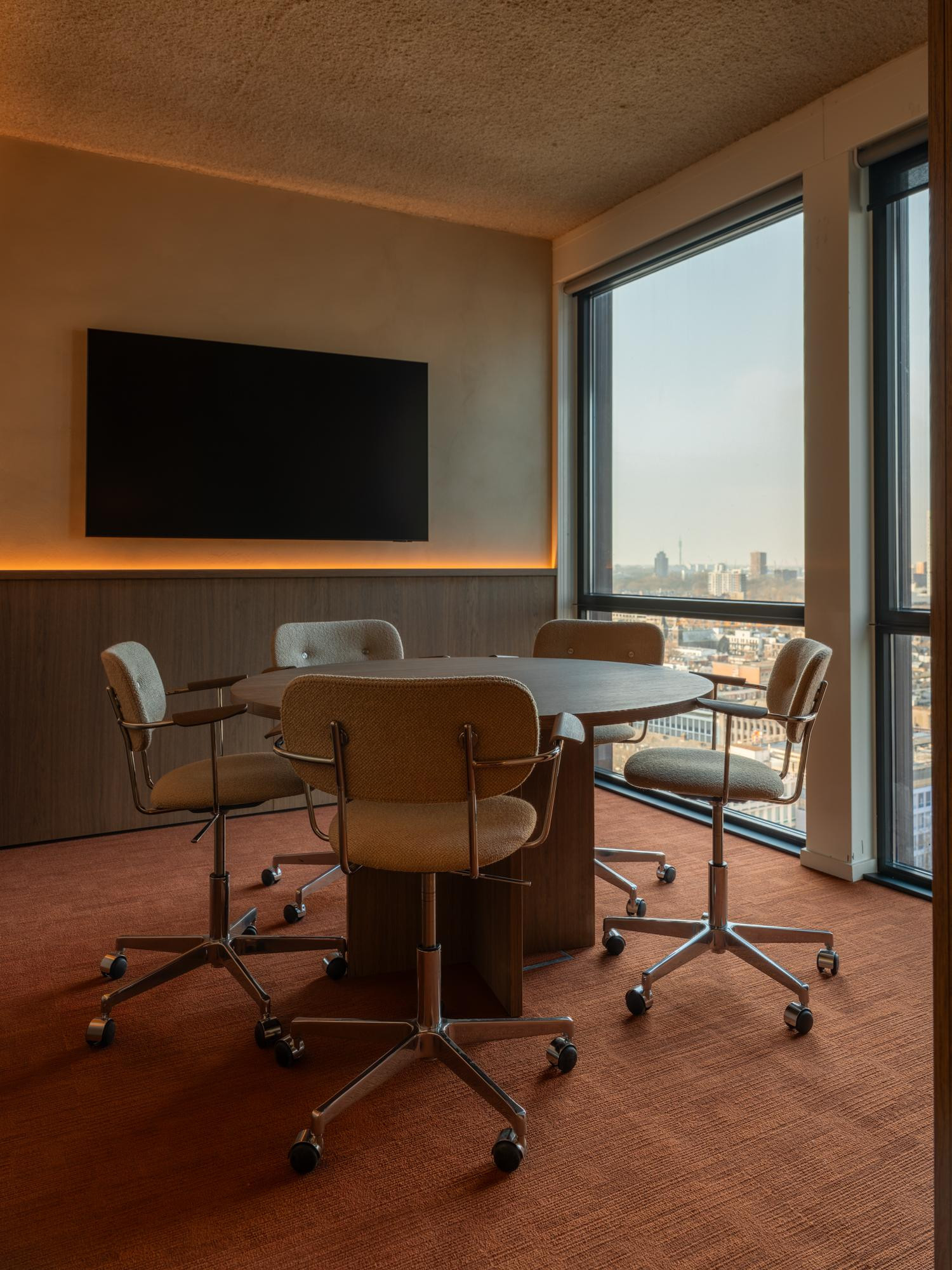
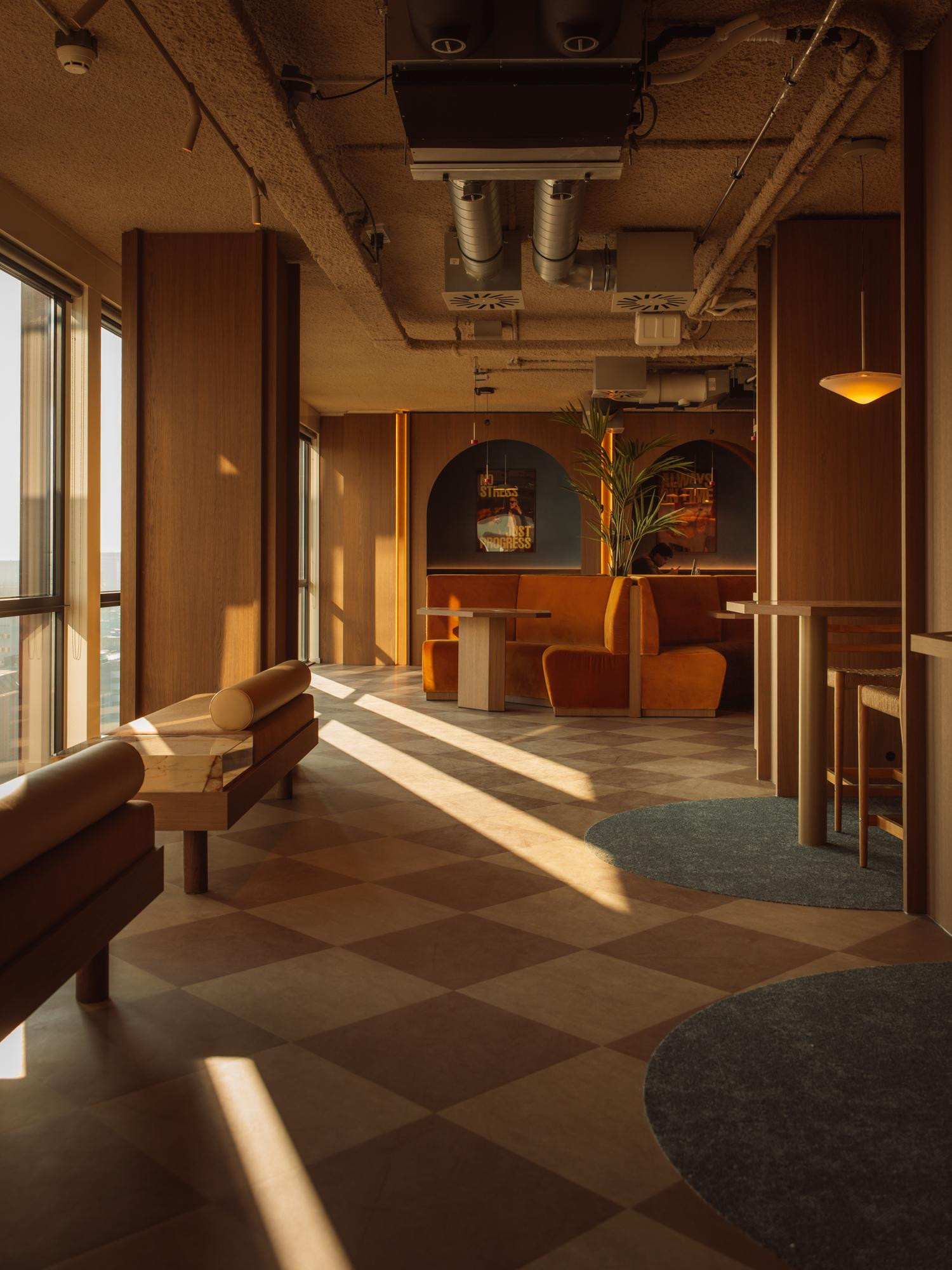
That doesn't mean you have to share your actual workspace with other companies. In a multi-tenant office, each business generally has its own private office or enclosed unit. Depending on the building, tenants may also have access to shared facilities. These could include meeting rooms, a reception area, pantries, lounges, sanitary facilities or bicycle storage.
This also highlights an important difference between a multi-tenant office and coworking.
Coworking often revolves around shared workspaces where professionals from different companies work alongside each other. In a multi-tenant office building, your organisation has its own private office. Only certain facilities and common areas are shared with other tenants.
A multi-tenant office can therefore be an attractive option for companies that want a professional office of their own without having to provide every facility within their private space.
The alternative is a single-tenant building. In this case, one organisation is the sole tenant of the property. This generally provides greater control over the layout, appearance and use of the building.
Single-Tenant vs. Multi-Tenant: What Are the Differences?
The main difference between single-tenant and multi-tenant offices is the number of occupiers. However, the choice also affects how facilities are used, how much control you have and how exclusive your working environment feels.
| Single-tenant | Multi-tenant | |
|---|---|---|
| Number of tenants | One organisation | Multiple organisations |
| Private office space | Yes | Yes |
| Common areas | Used by your organisation | Often shared |
| Privacy | High level of control and exclusivity | Private office with shared common areas |
| Branding | Greater freedom to create your own identity | Private office can often be customised; common areas less so |
| Flexibility | Depends on property and lease | Different office sizes may be available |
| Facilities | Organised or managed by your company | Often available as shared facilities |
| Contact with other businesses | Limited | More opportunities to meet other companies |
| Suitable for | Organisations looking for exclusivity | Companies combining private space with shared facilities |
A single-tenant office therefore offers more exclusivity. If you rent an entire building, you generally have more control over how the space is used, within the terms agreed with the landlord. This can be particularly attractive to larger organisations that want to establish a strong corporate identity throughout their premises.
Multi-tenant real estate works differently. Your private office belongs exclusively to your organisation, while certain parts of the building are shared with other tenants. Exactly which facilities are shared depends on the property.
Neither concept is automatically better. The right choice depends on how your organisation works and what you expect from your office.
What Are the Advantages and Disadvantages of a Multi-Tenant Office?
One of the main advantages of a multi-tenant office is access to facilities without having to create all of them within your own rented space.
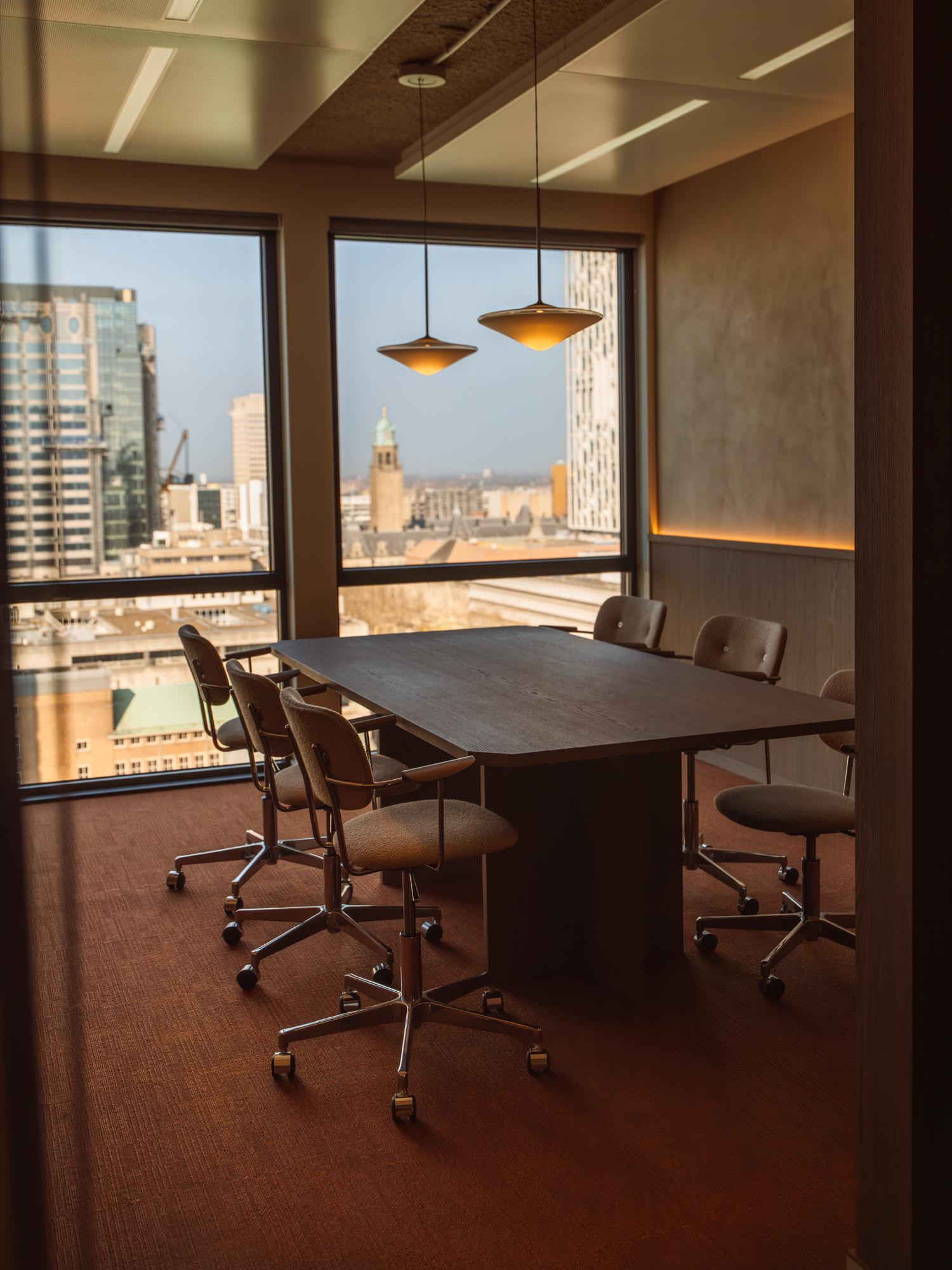
For example, if the building provides shared meeting rooms, you may not need to rent additional square metres for meeting spaces that remain empty for much of the week.
A multi-tenant building can also be interesting for a growing organisation. Some properties offer offices in different sizes. If another unit becomes available, you may have the opportunity to expand without relocating your entire business. Whether this is possible always depends on availability and your agreement with the landlord.
Another advantage is the more dynamic working environment. In the reception area, lounge or other shared spaces, employees naturally come into contact with people from other organisations. Some companies prefer this atmosphere to working in a completely independent building.
There are disadvantages to consider as well.
For example, you'll have less control over common areas. Your organisation does not independently decide how the entrance, lounge or other shared facilities are designed and used.
Availability is another consideration. If meeting rooms are shared between tenants, you may need to book them in advance. Always check how reservations work and whether additional charges apply.
Privacy may also influence your decision. Your own office can be fully enclosed, but employees and visitors from different organisations will use the common areas. Companies that regularly hold confidential conversations should therefore pay close attention to the layout and access controls.
And what about cost? Renting a multi-tenant office isn't automatically cheaper than choosing a single-tenant solution. Rental costs depend on the location, floor area, facilities, level of service and lease agreement. Always compare the total occupancy costs rather than looking at the basic rent alone.
When Should You Choose Single-Tenant or Multi-Tenant?
Whether you choose single-tenant or multi-tenant office space depends largely on the size and needs of your organisation.
A single-tenant building may be attractive when your company is large enough to use an entire property efficiently. It can also suit organisations that want maximum control over security, branding, visitor flows and facilities.
Imagine an organisation looking to accommodate hundreds of employees at one location. It wants its own reception area, several departments, internal meeting rooms and consistent branding throughout the building. In that situation, a single-tenant solution could make sense.
A multi-tenant office building can be a better fit when you want a private office without renting an entire property. This can apply to SMEs, startups, scale-ups or established organisations opening a new branch.
Your company can have its own workspace while making use of facilities already available within the building. Depending on the location, these could include meeting rooms, reception services or a shared lounge.
This model can also be interesting for growing businesses. Suppose you currently need office space for ten employees but expect to grow to twenty within two years. In that case, it is worth checking whether the location offers opportunities to expand within the same building.
A simple rule of thumb can help with your initial decision. If maximum exclusivity and control over the entire property are your priorities, start by exploring single-tenant options. If you want to combine a private office with shared facilities and potentially different office sizes, a multi-tenant office is worth considering.
Renting a Multi-Tenant Office: What Should You Look For?
If you've decided that renting a multi-tenant office could suit your organisation, look beyond the appearance of the office during a viewing.
Start with the floor area. Which spaces are exclusively included in your lease and which areas are shared? A large lounge or dedicated meeting floor can be attractive, but make sure you understand how you can use these spaces in practice.
Next, ask which facilities are included in the rental price. This could include internet, coffee and tea, cleaning, reception services, meeting rooms and other amenities. Also check which service charges are billed separately.
The service charges in a multi-tenant building deserve particular attention. Several tenants use the common areas and facilities, which means costs may be shared between them. Your lease should clearly state which costs are charged and how they are allocated.
There are several other questions worth asking.
Can you grow within the building?
Ask whether larger office units are available and what options you have if you need additional space during your lease.
How are access and privacy managed?
Check who has access to your floor or office. Ask how visitors enter the building and whether you have 24/7 access.
How do the shared facilities work?
Do meeting rooms need to be booked in advance? How often can you use them? Are they included in your rent or charged separately?
How much freedom do you have within your own office?
Discuss what you can change before signing the lease. This could include furniture, branding, walls and other aspects of the interior.
What does the lease actually include?
Don't focus exclusively on the monthly rental price. Check the lease term, notice period, service charges, security deposit and conditions for expanding your office space.
These details ultimately determine whether an attractive multi-tenant building is also a good fit for your organisation in practice.
Having an entire building to yourself can provide plenty of freedom, but greater exclusivity isn't automatically the best solution. Likewise, a multi-tenant office is only attractive when the facilities, lease conditions and working environment suit your organisation.
When searching for your next office, look beyond the number of square metres. Consider the future growth of your team, privacy, accessibility, shared facilities and the flexibility you'll need in the years ahead. That way, you're choosing an office that works for your business today and can continue to support it as your organisation develops.
Curious which office space suits your organisation? Explore the available offices at Officina and discover the working environment that fits your business.
Related news items